

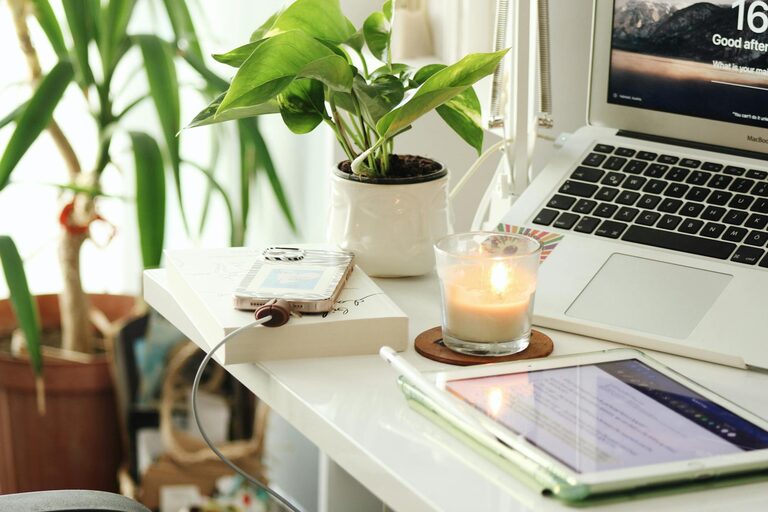
Creating a productive home office environment can drastically improve your work performance and overall well-being. Whether you are working remotely, freelancing, or managing a side hustle, the right workspace setup helps you stay focused and motivated. In this post, we’ll explore key strategies to design an efficient home office that supports your daily tasks.
Choose the Right Location for Your Home Office
Finding the ideal spot in your home for work is the first important step. Consider these factors:
– Quietness: Pick a space with minimal noise and distractions.
– Natural light: Facing a window can uplift mood and reduce eye strain.
– Space availability: Ensure you have enough room for your desk, chair, and any necessary equipment.
– Privacy: A separate room or corner helps set boundaries between work and personal life.
If space is limited, try creating a mini office setup using room dividers or screens to visually separate your workspace from living areas.
Invest in Ergonomic Furniture
Comfort is key to staying productive. Ergonomic furniture supports correct posture and prevents fatigue.
– Desk: Choose a desk with enough surface area for your computer, keyboard, and any paperwork.
– Chair: An adjustable chair with good lumbar support reduces back strain.
– Keyboard and mouse: Ergonomic peripherals can help prevent repetitive strain injuries.
– Monitor placement: Position your screen at eye level to avoid neck discomfort.
Standing desks or convertible options also provide flexibility to alternate between sitting and standing.
Organize Your Workspace Efficiently
An organized environment clears your mind and helps you find what you need quickly.
Tips for workspace organization:
– Declutter regularly: Remove unnecessary items to make your desk tidy.
– Use storage solutions: Shelves, drawers, or boxes keep supplies out of sight but accessible.
– Cable management: Use clips or ties to keep cords neat and prevent tangling.
– Designate zones: Separate areas for computer work, writing, and storage streamline your workflow.
Labeling drawers and containers can speed up locating materials and maintain order.
Set Up Optimal Lighting
Good lighting reduces eye strain and keeps your environment inviting.
– Natural light: Maximize daylight but avoid glare on your screen.
– Task lighting: Use a desk lamp with adjustable brightness settings for focused tasks.
– Ambient lighting: Balancing light sources can reduce shadows and create a calming atmosphere.
Using warm LED lights can enhance comfort, especially during early mornings or late evenings.
Minimize Distractions
Creating a focus-friendly space requires managing potential interruptions.
– Set boundaries: Communicate working hours to household members.
– Limit phone distractions: Use “Do Not Disturb” modes or apps that block notifications.
– Noise control: Consider noise-cancelling headphones or a white noise machine if ambient sounds bother you.
– Turn off non-work devices: Keep personal gadgets out of reach during work time.
Create a Motivating Atmosphere
A pleasant office environment encourages productivity and creativity.
– Personalize your space: Add plants, artwork, or photos to make your workspace inviting.
– Use inspiring colors: Soft blues, greens, or neutrals tend to promote calm focus.
– Maintain good air quality: Ventilate the room regularly or use an air purifier.
– Keep hydrated: Have water handy to stay refreshed throughout the day.
Develop a Consistent Routine
Your environment works best when paired with solid work habits.
– Set a schedule: Consistent start and end times help separate work and home life.
– Scheduled breaks: Taking short rests reduces burnout and keeps energy levels high.
– Dress for work: Changing out of casual clothes can mentally prepare you for work mode.
– End-of-day routine: Close your laptop and tidy your desk to signal the workday’s conclusion.
Take Advantage of Technology
Useful tools can simplify tasks and improve efficiency.
– Task management apps: Organize duties and deadlines clearly.
– Video conferencing equipment: A good webcam and microphone enhance remote meetings.
– Cloud storage: Access files securely from anywhere.
– Focus apps: Try time-management apps like Pomodoro timers to structure work sessions.
Conclusion
Designing a productive home office environment is about balancing comfort, organization, and personalization. By carefully choosing your workspace, investing in ergonomic furniture, managing distractions, and cultivating good habits, you can create a home office that supports your productivity and well-being. With the right setup and mindset, working from home can be both effective and enjoyable.